Gravitational Wave Memory
MA Digital Direction Final Show
The first fully virtual degree show from the MA Digital Direction program at the Royal College of Art
MA Digital Direction was presenting its thesis show online for the first time, due to Covid-19 and needed an engaging online presence that would allow the 27 students flexibility in displaying their work, while also driving audiences to attend organized live events.
This project was made on a team of four, MA Digital Direction students including myself, Smriti Anund, Luis Baez, and Riya Patel. We also worked with programmer Kenneth Lim and coordinated with Royal College of Art admin.
Project Tools
For project management, we used a combination of the college’s pre-established documentation on Google drive, which allowed our team to easily access collected data despite working in three time zones. Brainstorming and curation took place on Miro, while Figma was used to design the website before passing it off to Kenneth to be programmed.
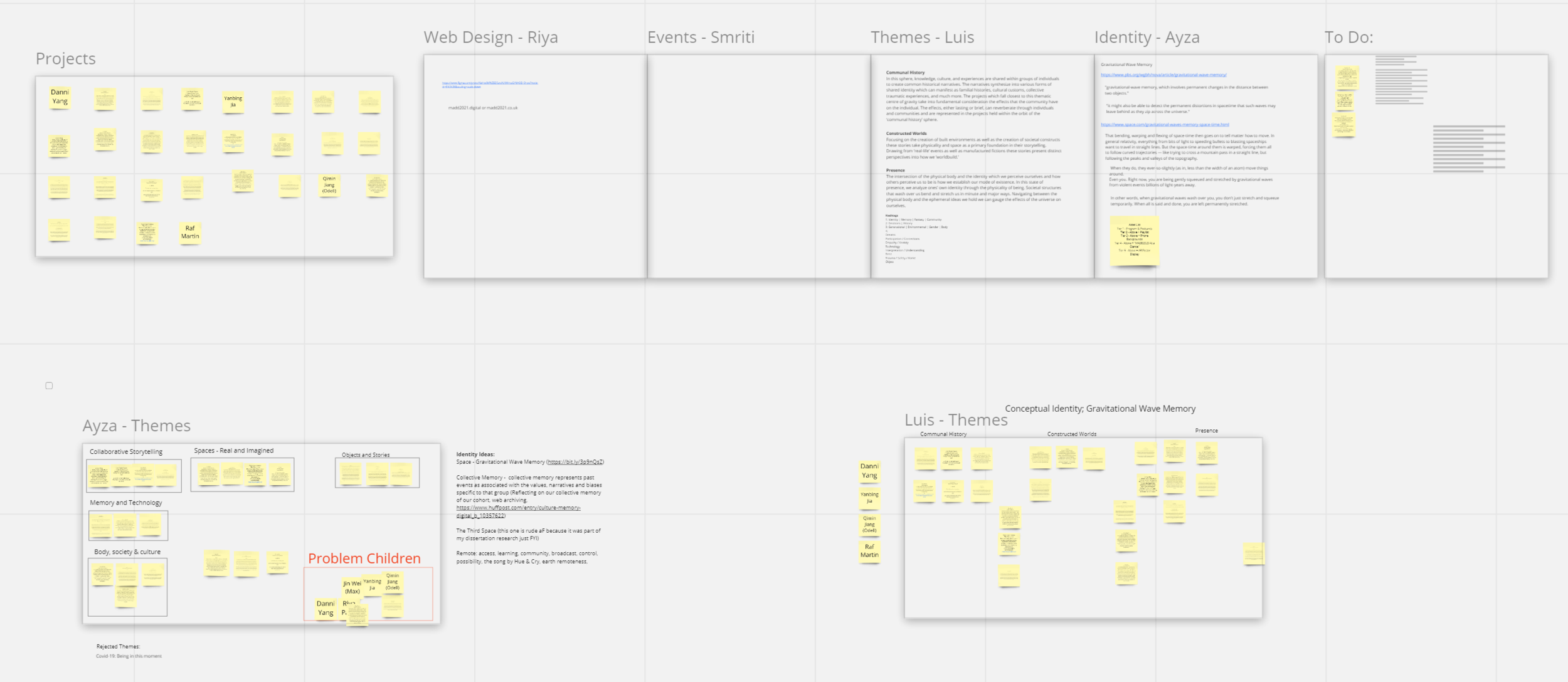
Overview of Miro Board
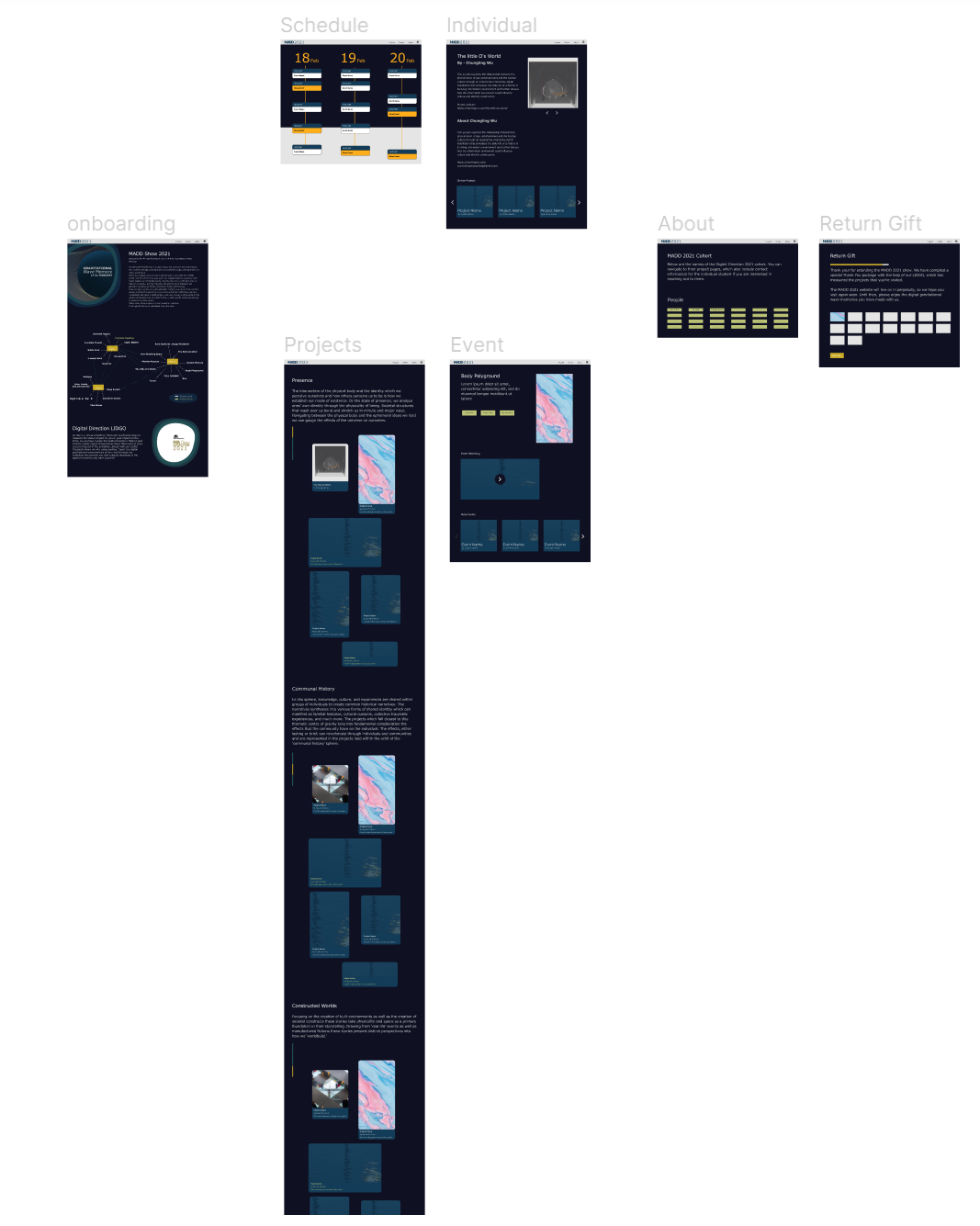
Overview of Figma
Project Development
The project began the week of December 18th, with the show running from February 17-21st. Our first priority was creating a timeline that took into account the various stakeholders, including the students, programmer, and RCA admin.
We established a communication practice early on in developing this project that emphasized transparency and co-creation. As we were also students in the cohorts, we wanted to ensure that everyone felt represented by the show we were creating. To that effort, we sent out weekly emails with updates on what we were doing, presenting the concept, themes, and styles for the show as well as action items so we could reach our deadlines. We also sent communications via WhatsApp and WeChat to reach as many students as possible.
Show Themes
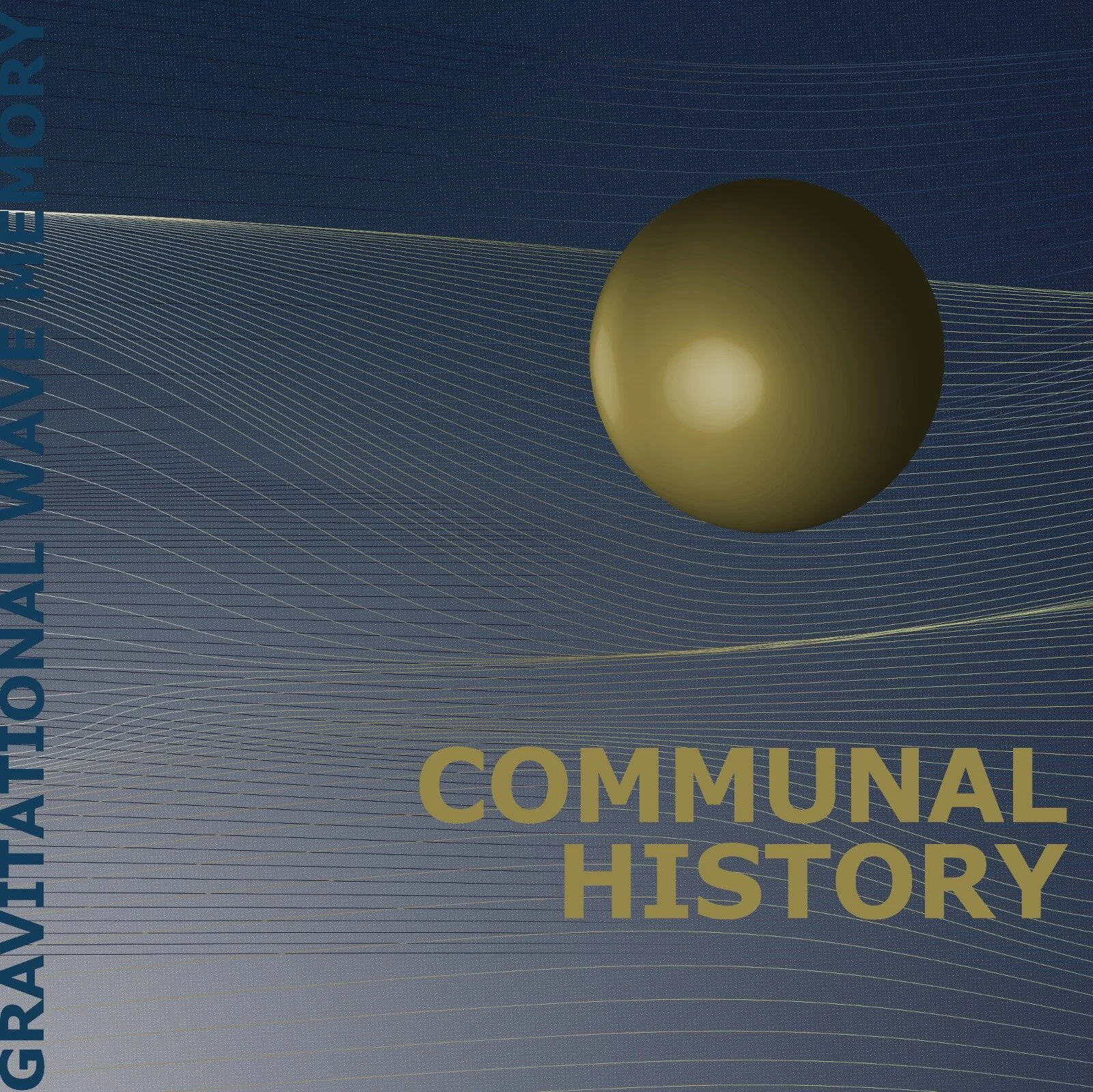
Poster design by Luis Baez
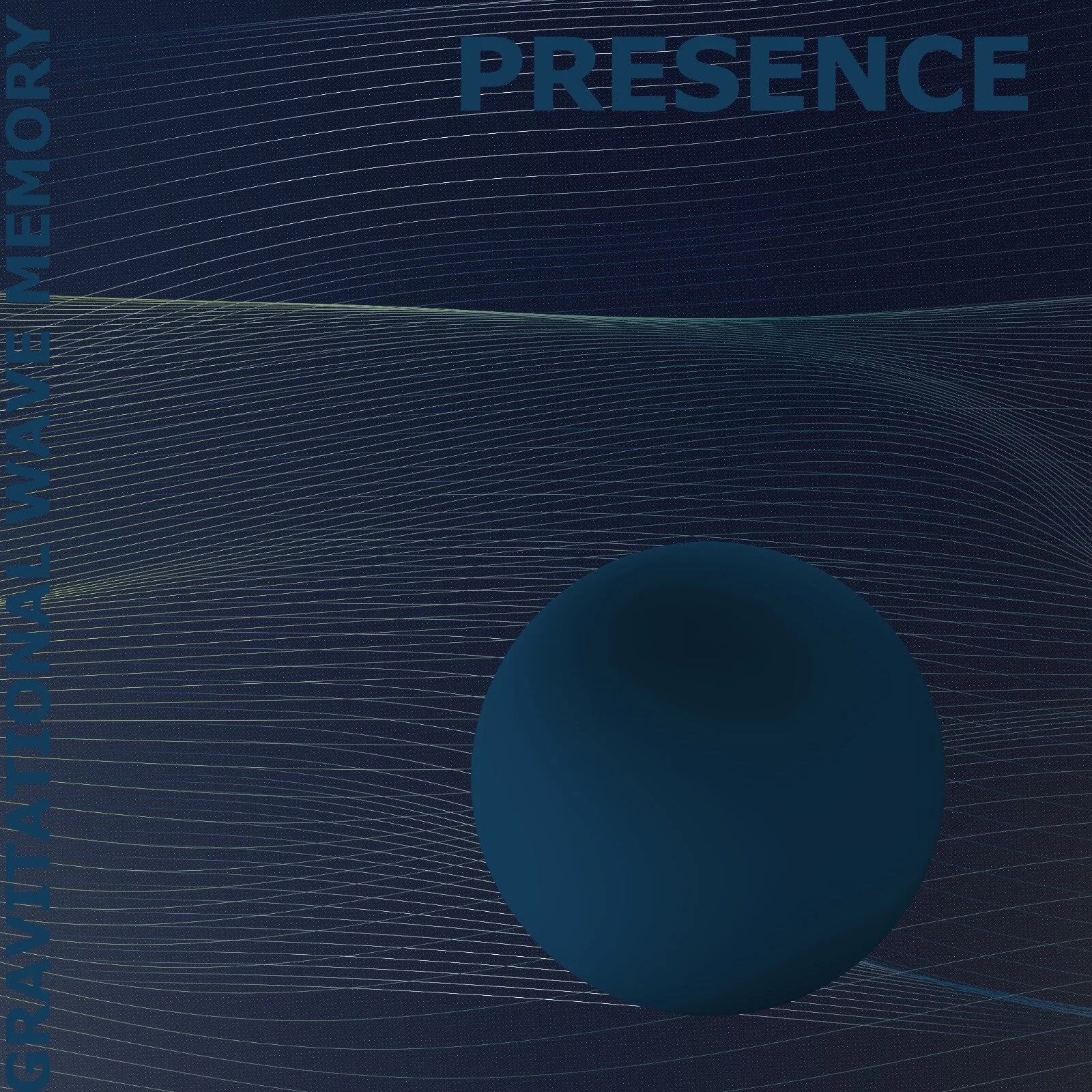
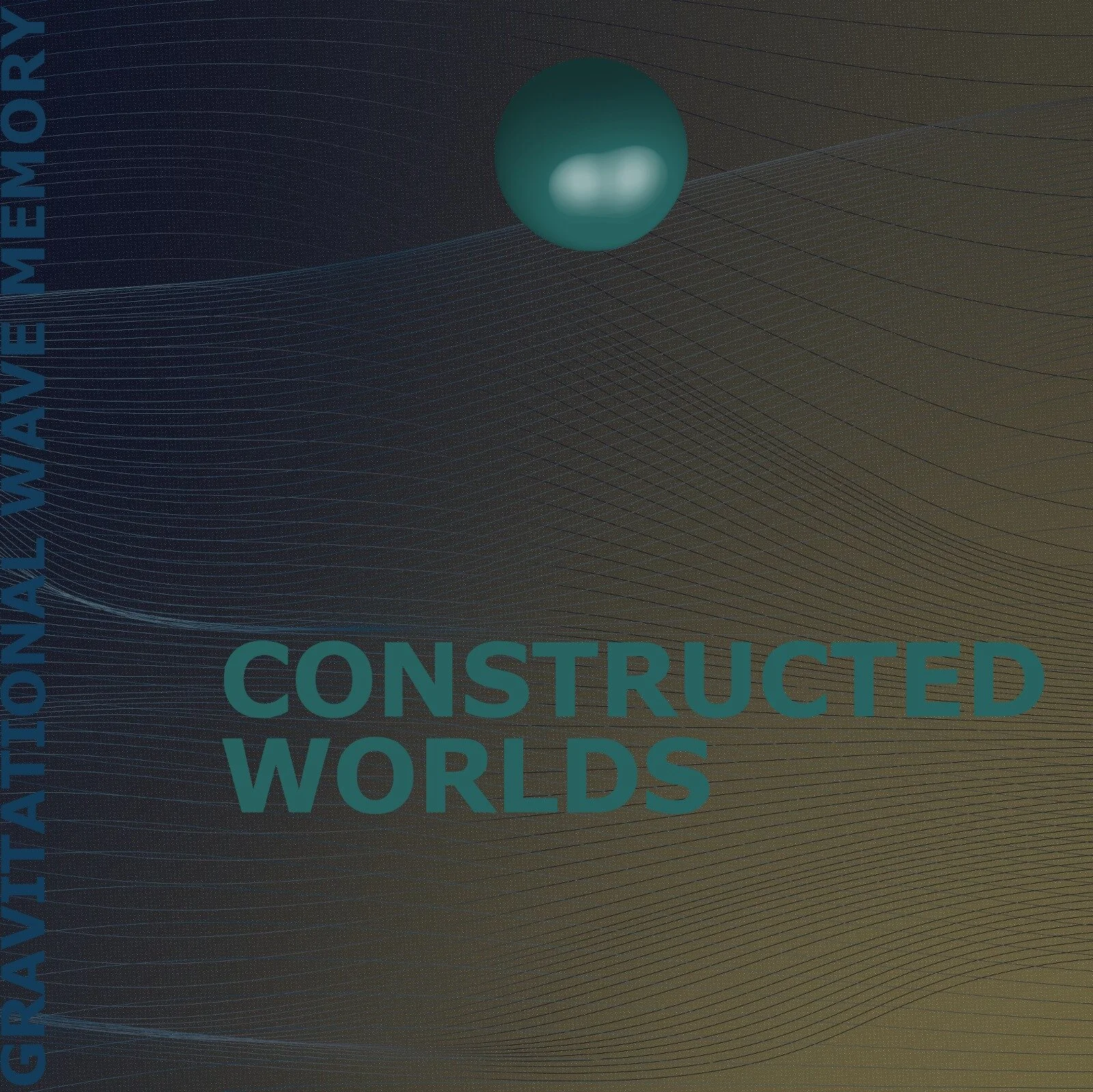
We wanted the show's identity and themes to be reflective of the student’s projects. As the student final projects are independent research projects, with the students working internationally due to COVID-19, we did not have a clear understanding of what people’s projects were. We started collecting project titles, short descriptions, and images from each student which were able to use to find connected themes. After a few iterations of organizing projects on Miro, we landed on three themes: Presence, Communal History, and Constructed Worlds.
Show Identity
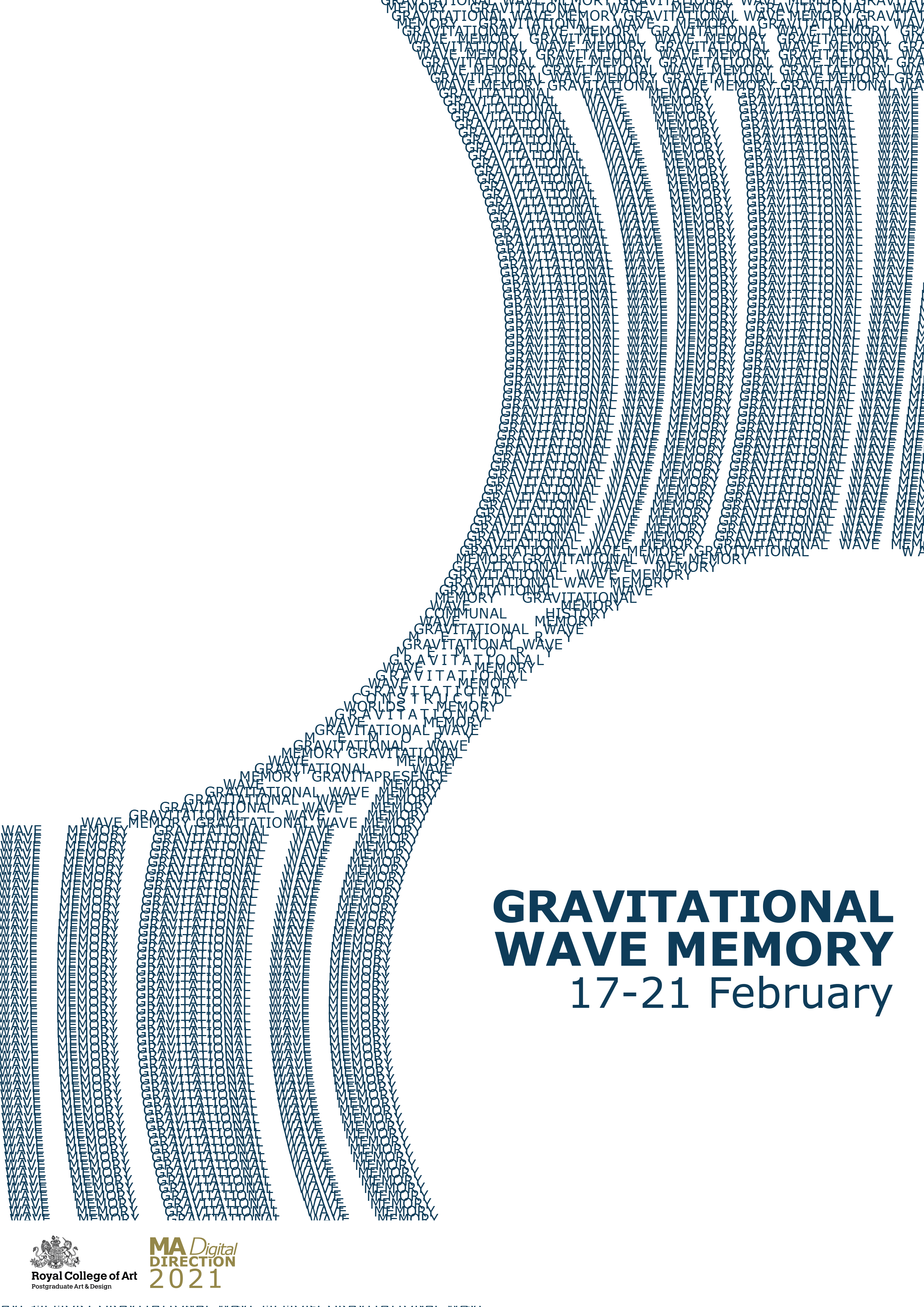
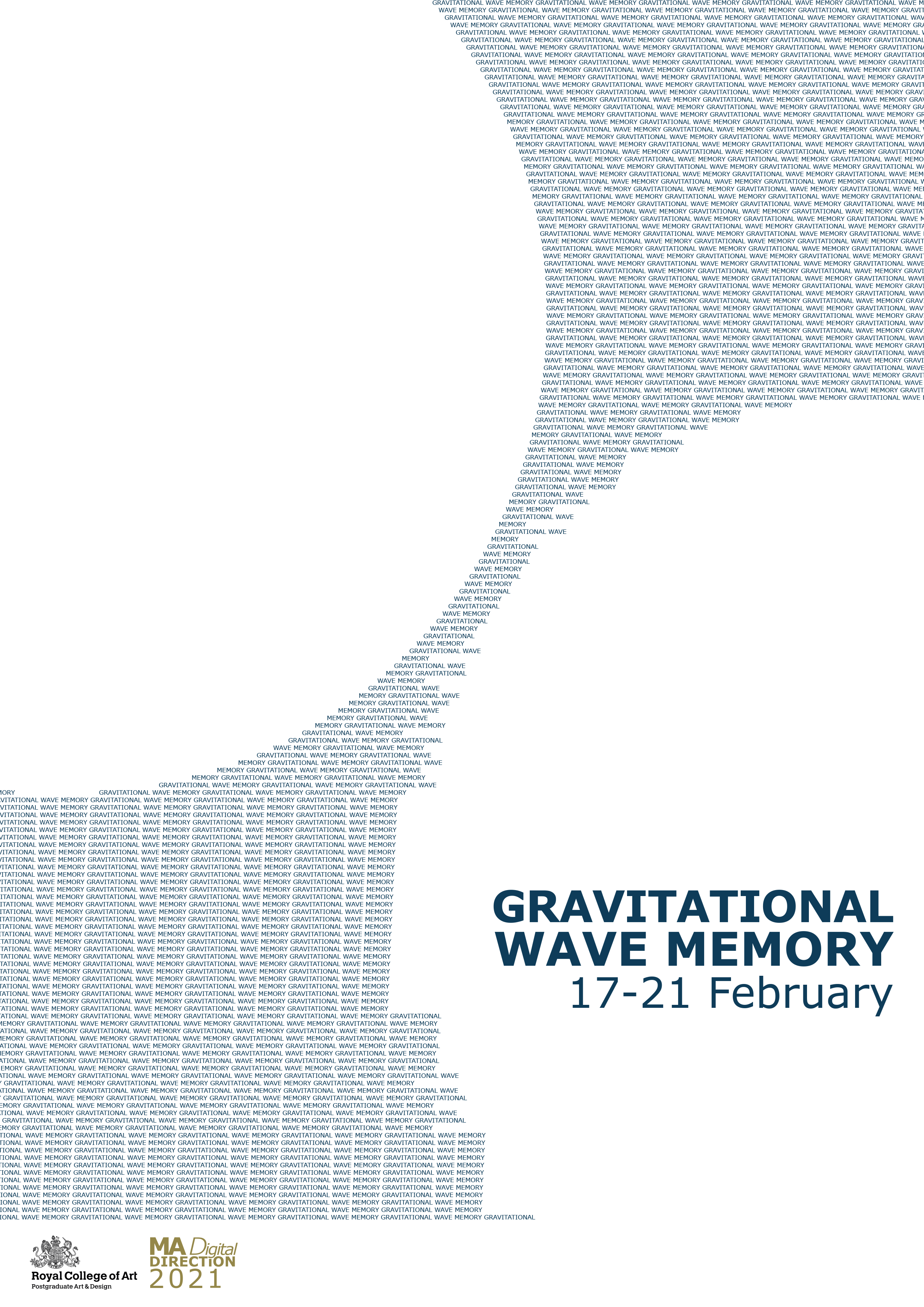
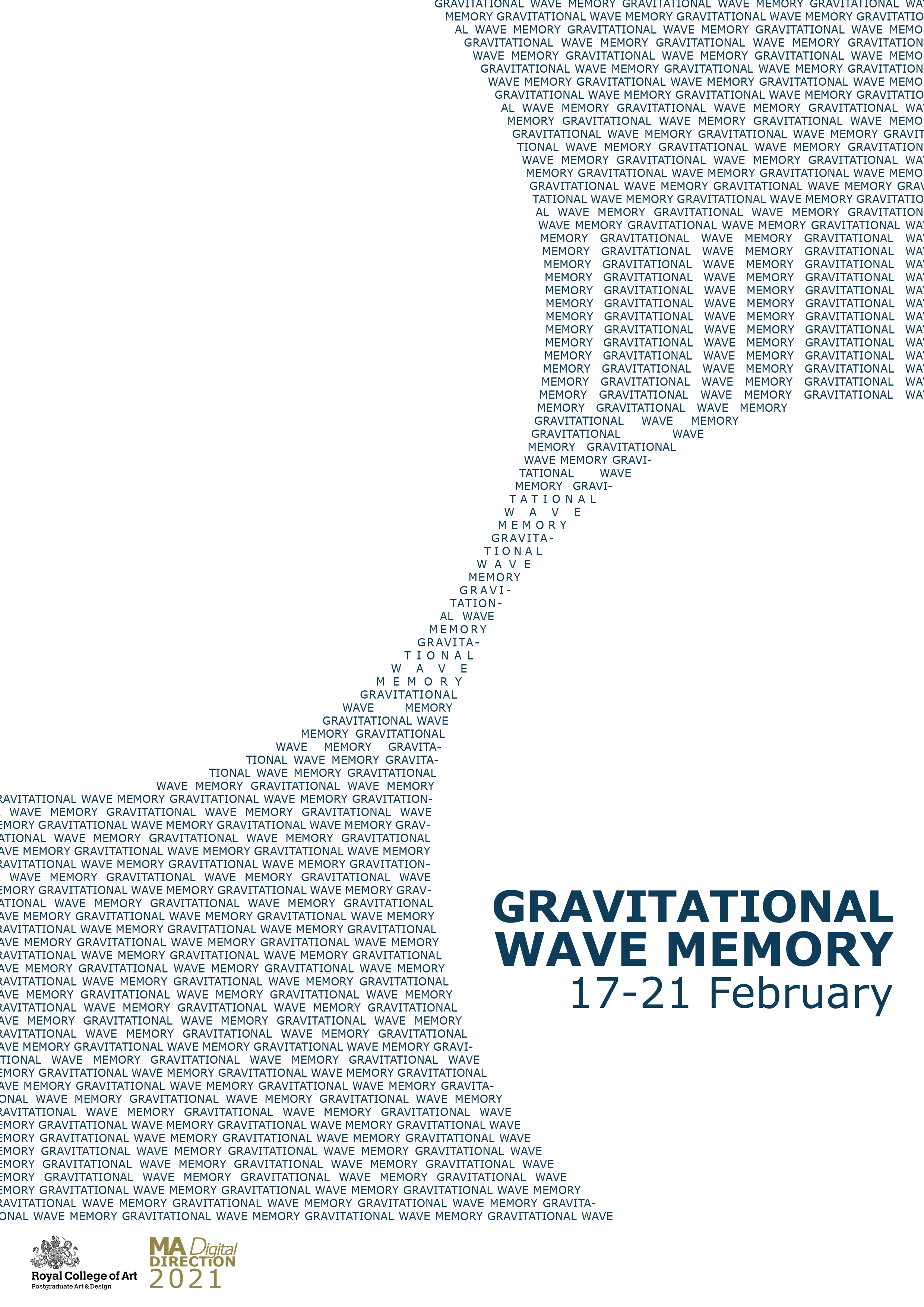
Poster design by Luis Baez
Style Guide
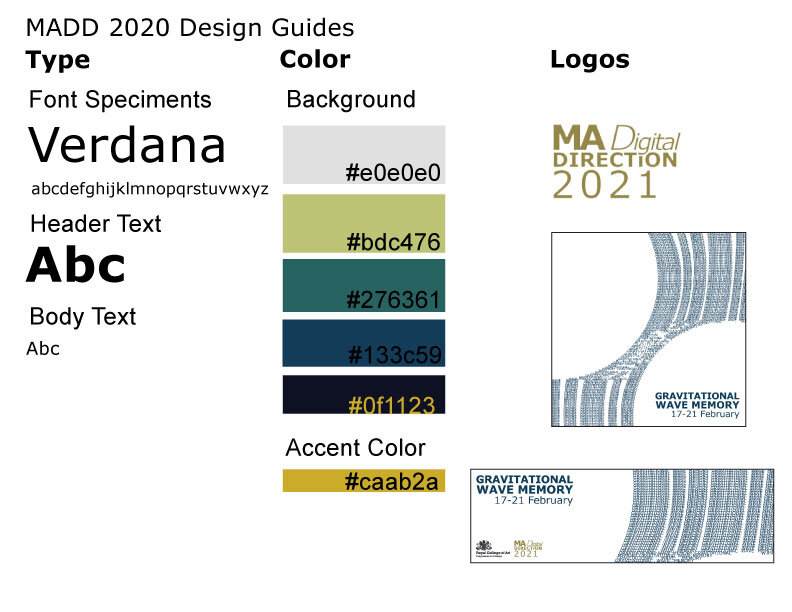
With our identity in place, I worked with Riya, our web design lead, to develop a style guide that spoke the universal theme we were working with. Accessibility was an important consideration for us, so we ran the color scheme through Adobe Tool’s accessibility check, and used Helvetica as the font as it is dyslexic-friendly.
Live Events
Part of the show was developing live events, which took place over Zoom over the course of the show. We recorded all the events and made them available on the website, as we expected a global audience from multiple time zones who might have trouble attending all the events. We used a two-prong approach: Show Events & Student Events. All of the students were offered an opt-in “Artist Hour”, where they could talk about their projects and process. We also developed a variety of show-wide events, which were the same structure but talking to different students, happening over several days. On the launch day, we had several website tours to onboard people to the functionality of the website. We also had daily “Project Highlights,” hosted by me, that took people through 7-8 specific projects, and highlighted if the creators of the work were part of any other live events over the course of the show. We had themed group discussions in a series called “MADD Hatters” (MADD: MA Digital Direction) and finally, 15-minute rapid-fire interviews in a series titled “Inside the Artist Studio.” We wanted to provide a variety of opportunities for the students to participate, and multiple styles of events for the audience to participate in. We also partnered with Maia, an interactive, immersive club developed as a MADD project for two “afterparty” events to allow for different forms of digital engagement.
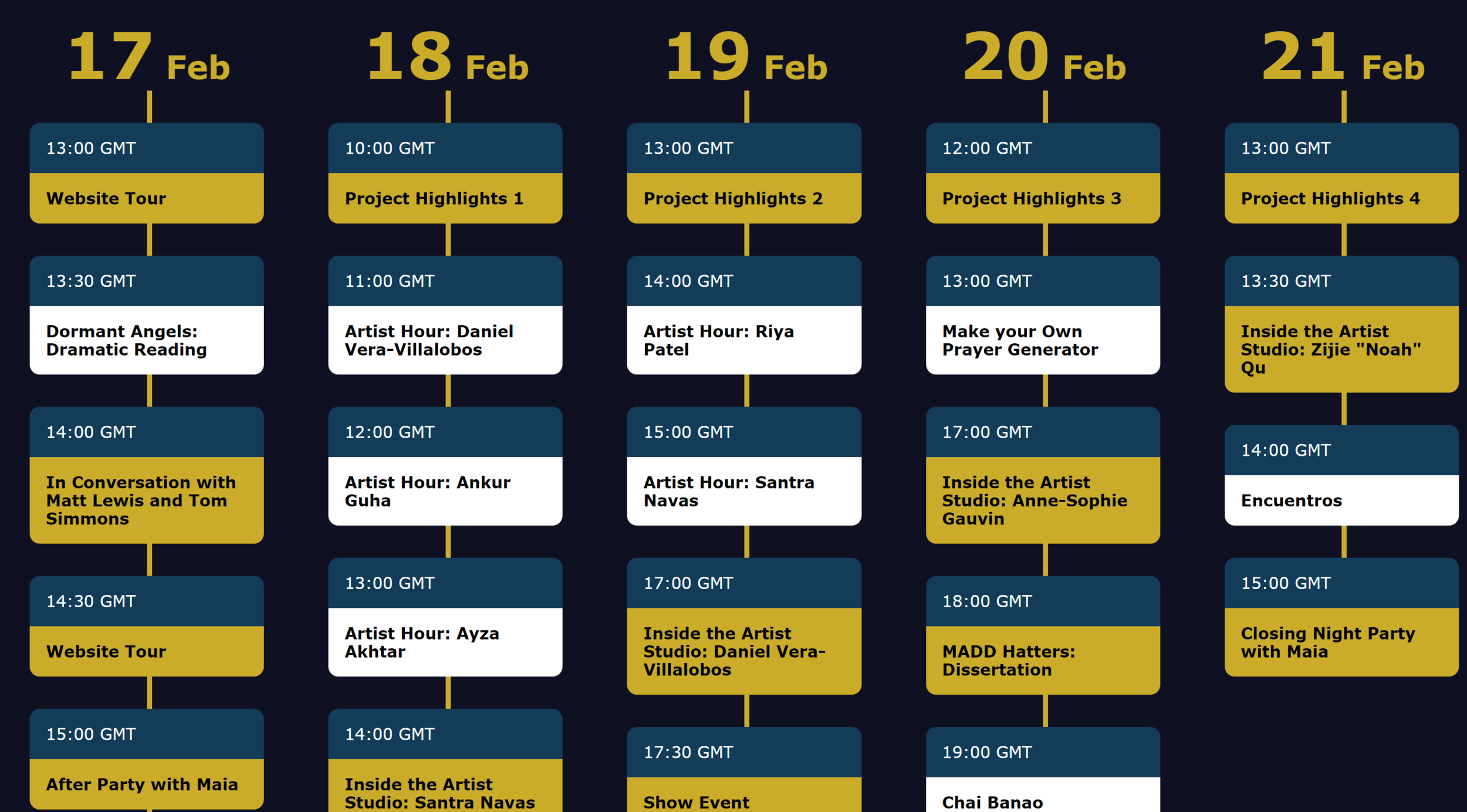
Event Schedule on the MADD Website
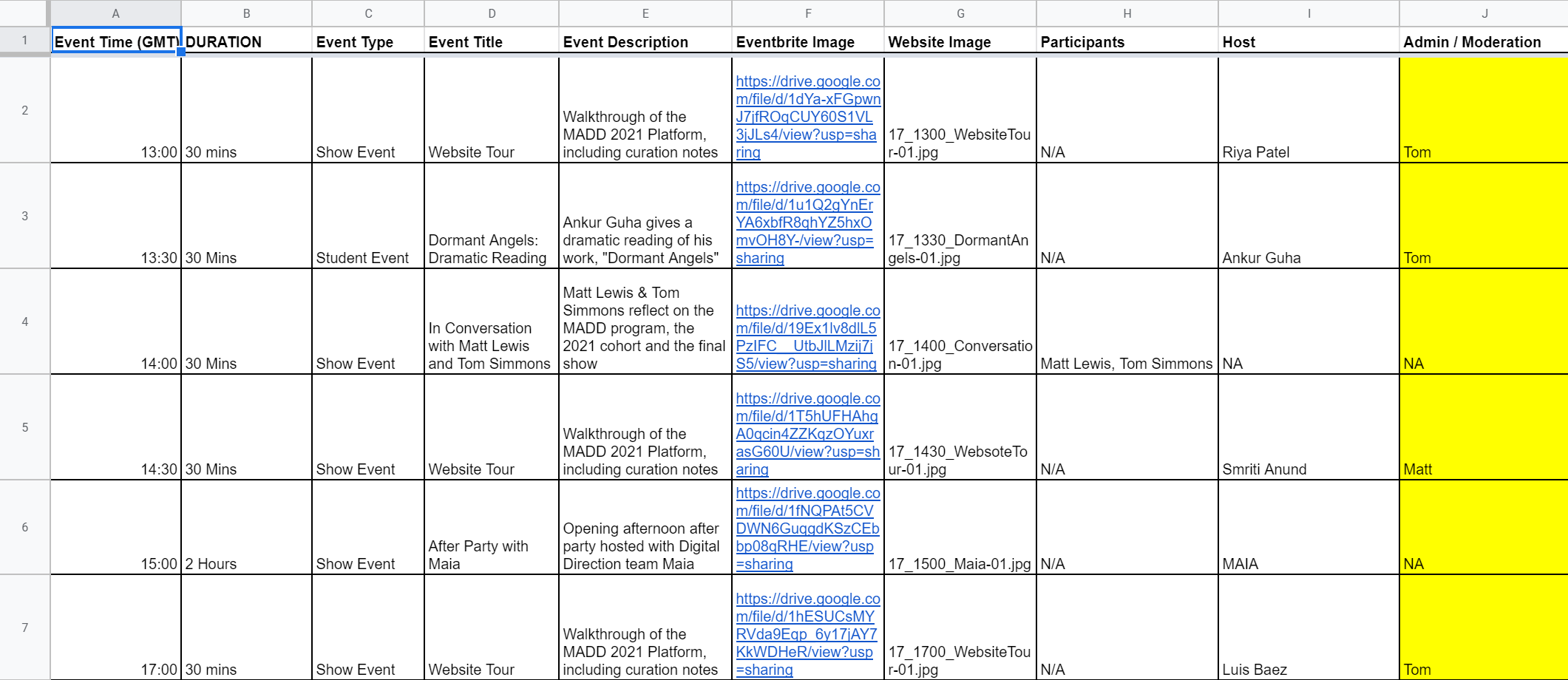
Events backend organization
Thank You Downloads
One big issue we grappled with was how to get our audience to view most or all of the projects, especially in the age of digital fatigue. I developed an idea to “gamify” our show. We used cookies to track the number of projects someone visited in a browser session. Depending on how many projects they visited they were able to download a tiered thank-you package, which included postcards designed by students, phone backgrounds, access to the MADD Playlist that the students had developed over the course of the program, a show program, an infographic, and an AR display of student-designed posters that were exclusive to the package.
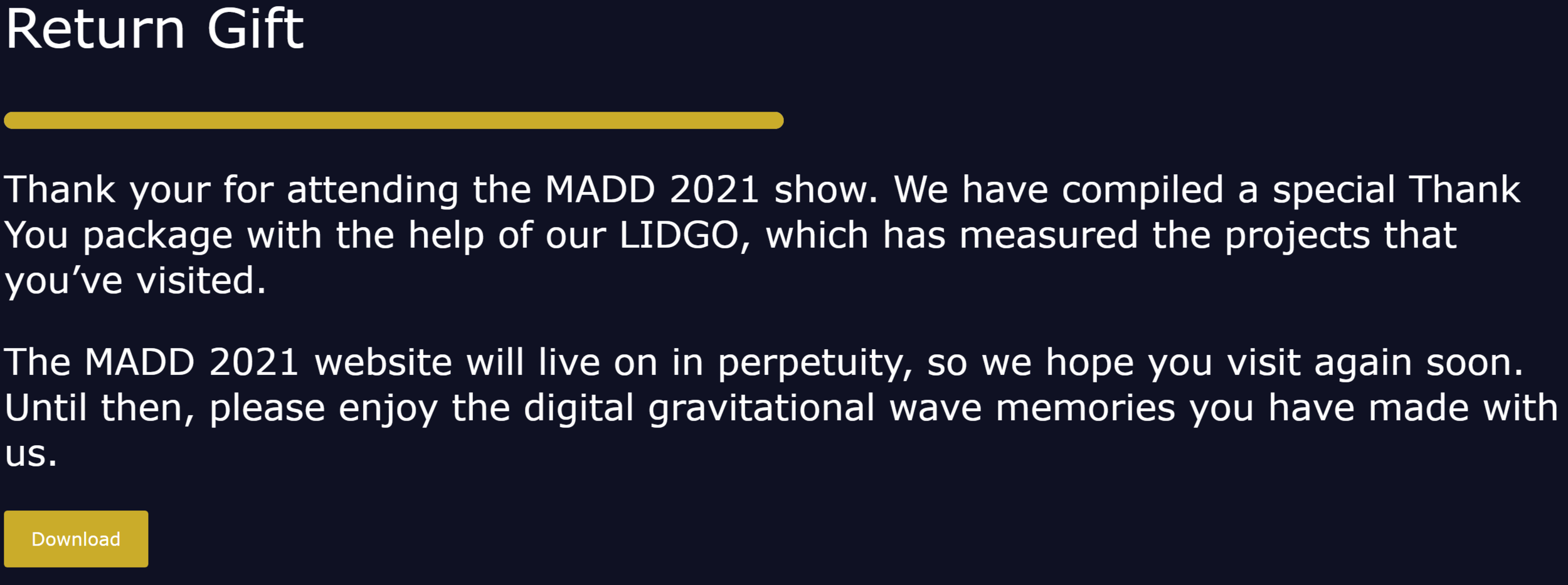
Thank-You Download Checkout on Website
Final Outcome
Following the completion of the site, the show launched on February 17th without issue. We had 6000-7000 hits and almost 10 gigs of downloads. We also helped establish Digital Direction’s own web presence independently from RCAs, creating a platform that the program can use moving forward. The admin and program heads were impressed by the professionalism of the team and the opportunities that the show created.